TEAM LEADERS
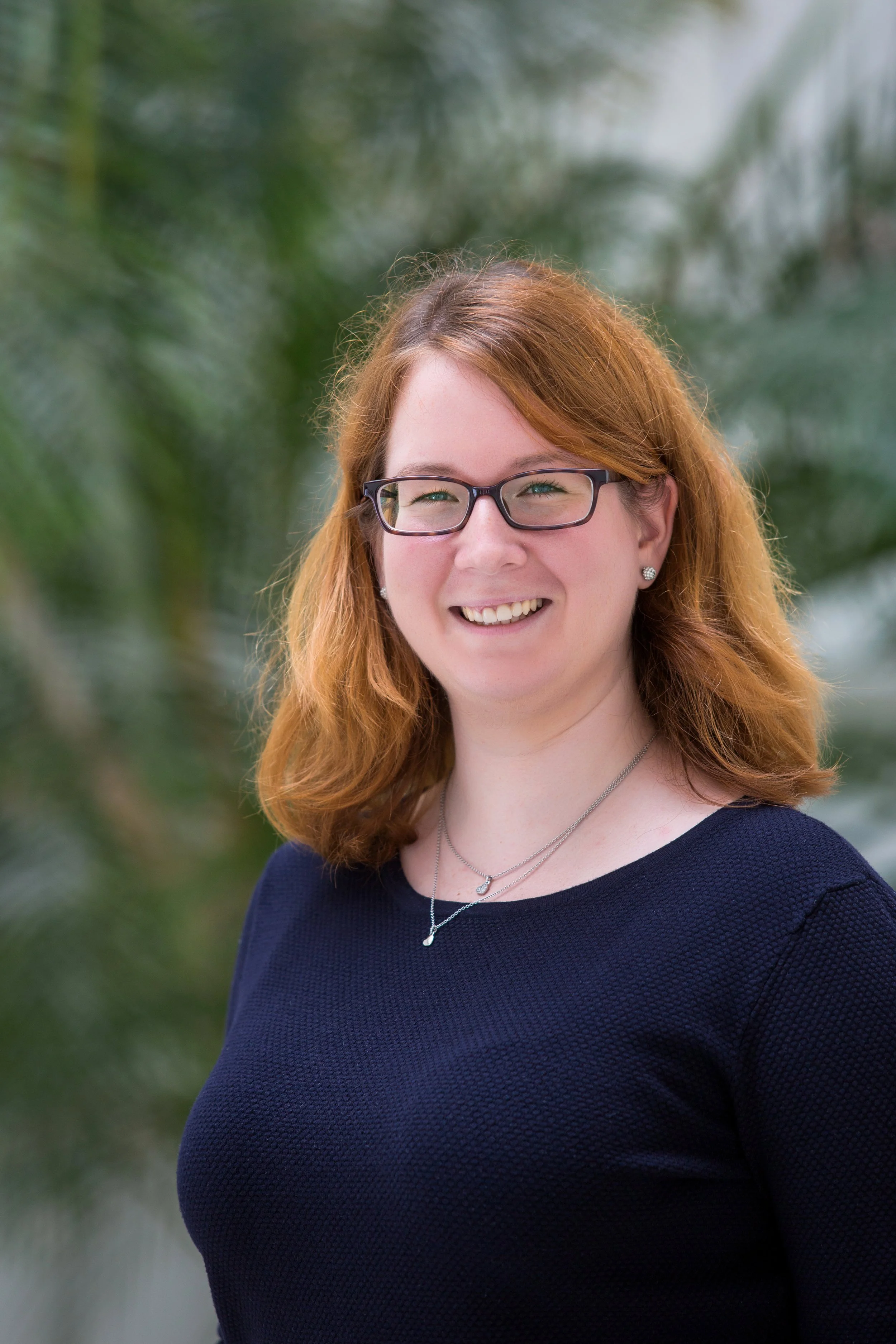
Fanni Fruzsina Geibl, MD, PhD
Head of Laboratory
AREAS OF EXPERTISE
Parkinson’s disease pathophysiology, mitochondrial bioenergetics
BIOGRAPHY
Dr. Dr. Fanni F. Geibl received a medical degree from the Semmelweis University in 2016 and a Ph.D. in Neuroscience from the Philipps-University Marburg in 2019 in the laboratory of Prof. Dr. Wolfgang Oertel. She conducted postdoctoral training with Prof. Oertel in the Department of Neurology in Marburg followed by an appointment in the laboratory of Prof. Dr. D. James Surmeier at the Department of Neuroscience at Northwestern University. After returning to Germany in 2021, she was appointed head of the Laboratory for Cellular Neuropsychiatry in the Department of Psychiatry and Psychotherapy at the Philipps-University Marburg. Simultaneously, she is a resident physician in the clinic.
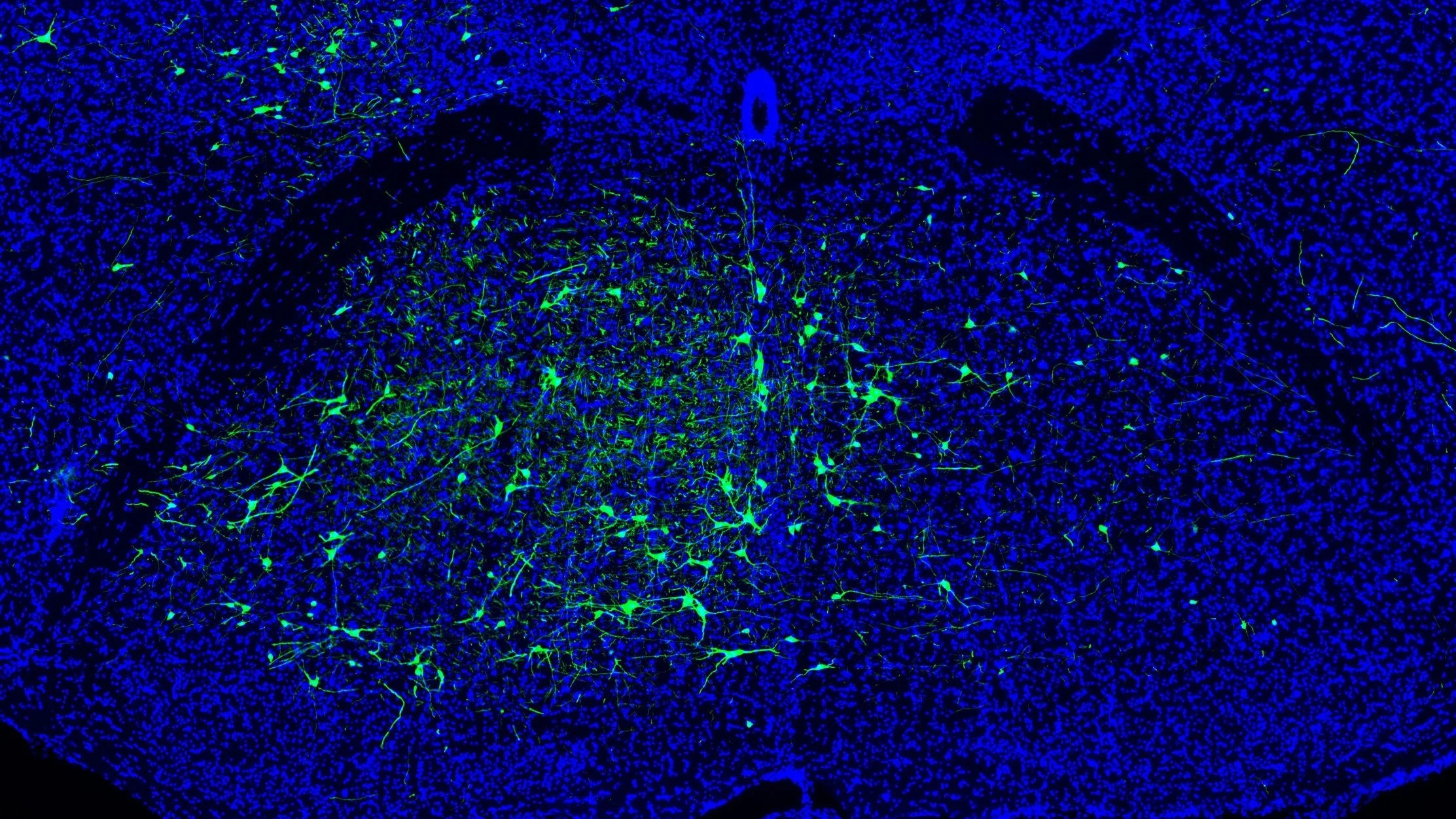
Her research interest lies particularly within dysregulated neural brain circuits resulting from neurodegenerative disorders like Parkinson’s disease. Her current research focuses on understanding the propagation routes of Parkinson’s disease pathology within the brain with special emphasis on the bioenergetic factors rendering certain neurons particularly vulnerable to the disease process.
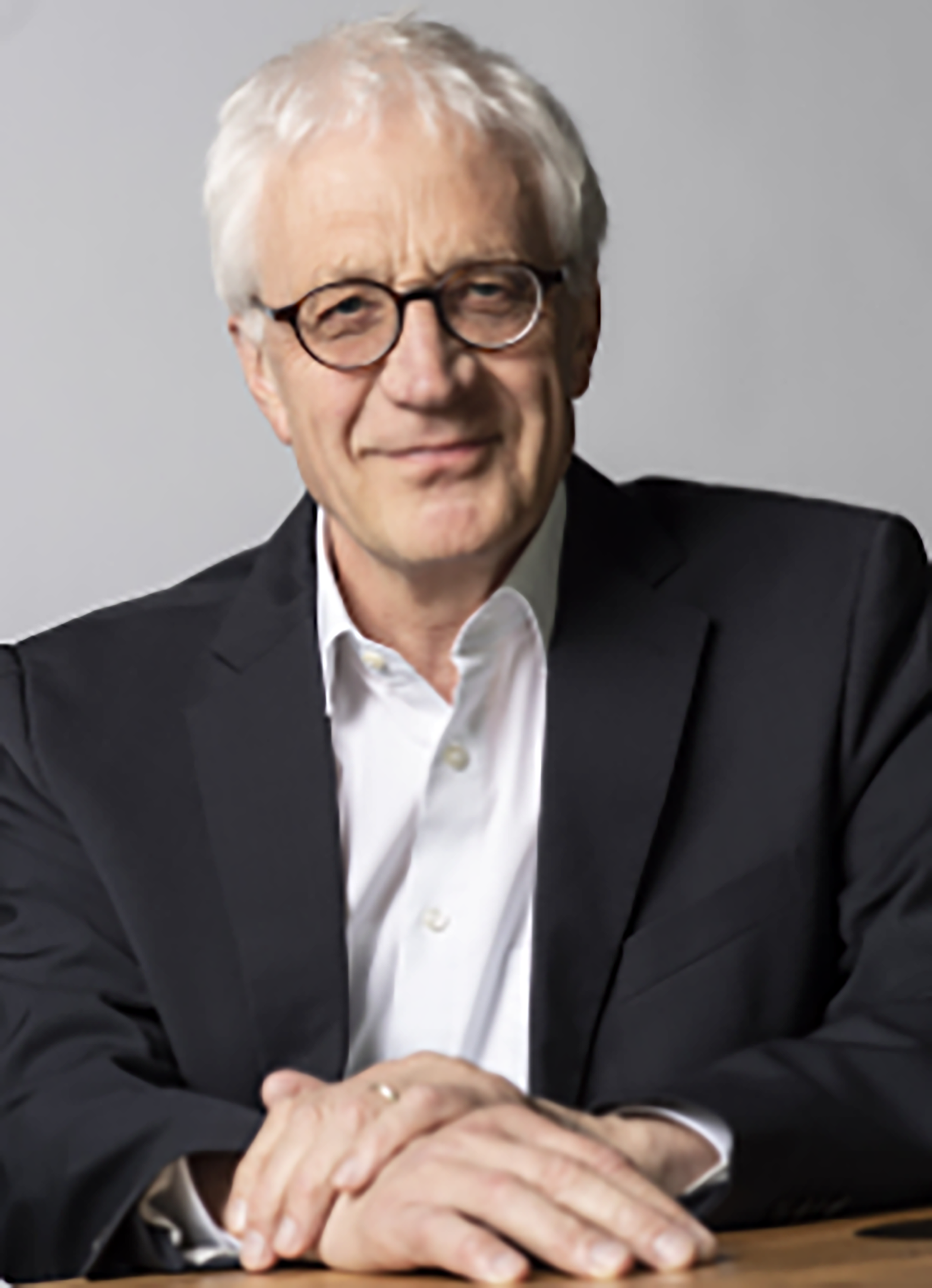
Wolfgang Hermann Oertel, MD
Scientific Advisor and Mentor, Professor of Neurology, Hertie Senior Research Professor of Clinical Neuroscience
AREAS OF EXPERTISE
Parkinson’s disease, REM Sleep Behaviour Disorder, Restless Legs Syndrome - experimental and clinical research -
BIOGRAPHY
Wolfgang H. Oertel, born 1951, studied in Tübingen (Chemistry - 1969-70) and in Berlin (Free University Berlin) and Newcastle upon Tyne, UK (Medicine – 1970-1976). He obtained the license to practice medicine in 1976. In 1978 he received his MD (thesis on an experimental project on the neurophysiology and pharmacology of the inner ear - Prof. R. Klinke, Berlin-Frankfurt/Main ). From 1978 to 1981 he worked in the Laboratory of Clinical Science (Dr. I. Kopin) at the National Institute of Health, Bethesda, MD, USA. There he purified the protein glutamic acid decarboxylase (GAD), the rate limiting enzyme of the inhibitory neurotransmitter GABA, produced an antibody against GAD and established until 1985 – together with E. Mugnaini – the complete atlas of GABAergic neurons of the rat brain - with focus on the basal ganglia. He demonstrated for the first time the non-inhibitory nature of the subthalamic nucleus and the colocalization of opoidergic peptides in striatal GABAergic projection neurons. From 1981-1986 he received his training in Neurology at the Technical University München (TUM) (Prof. A. Struppler) with focus on stereotactic surgery and neuropharmacology in Parkinson’s disease (PD). He board qualified as neurologist and habilitated at the TUM in 1986. Supported by a Heisenberg Professorship of the Deutsche Forschungs-gemeinschaft he spent 1987 at the National Institute of Neurology and Neurosurgery, Queens Square, London, UK for advanced training in movement disorders (Prof. C.D. Marsden) and experimental research on intrastriatal fetal cell transplants in a toxin model of Parkinson’s disease in monkeys.
In 1988 he was appointed as consultant and associate professor for Neurology at Klinikum Grosshadern, Ludwig-Maximilians-University(Prof. T. Brandt). He established the Munich program ”Basal Ganglia Research” of the Bundesministerium for Technology and Research (1990-1996), founded the Munich Brain Bank (1994 – together with Prof. Mehrain), invented the apomorphine test, initiated genetic research on PD in Germany (Prof. T. Gasser) and started 1989 – together with Prof. C. Trenkwalder – research on restless legs syndrome (RLS). In 1996 he was appointed as full professor of Neurology and chairperson of the Department for Neurology at Philipps-University of Marburg. Here he established the Competence Network Parkinson Syndrome in Germany (1999 until today) and created the German Parkinson Study Group (2003 - with Prof. R. Dodel and Prof. K. Eggert). In 1998 he designed the concept of the Hertie-Institute for Brain Research, Tübingen, and was the key fundraiser (1999) for this new institute, which was founded in 2000. In 2001 he defended the method Dopamine transporter ligand binding (DAT-SPECT) at the EMA, London – an asignment leading to the approval of this diagnostic tool in Europe in 2001. From 1996 to 2014 his team designed, implemented and/or participated in numerous phase II and III trials on the therapy of Parkinson’s disease, Multiple System Atrophy and Progressive Supranuclear Palsy (with Prof. Eggert, Prof. Dodel and Prof. Höglinger) and Restless Legs Syndrome (with Prof. K. Stiasny). In 2003 his group started working on the prodromal stage of Parkinson’s disease “REM Sleep Behaviour Disorder (RBD)”. In 2014 he was awarded a Hertie-Senior-Research-Professorship, a position he still holds. His group has been focussing since then on prodromal animal models of PD and the search for biomarkers and prodromal progression markers in RBD – as a prerequisite for future neuroprotective trials in the prodromal stages of PD.
His honorary positions include: treasurer of the International Movement Disorder Society (MDS – 2002-2004), chairperson of the European Section-MDS (2002-2005), president of the German Parkinson Disease Society (DPG - 2007-2011), president of the German Society for Neurology (DGN - 2011-2012), member of the Scientific Panel for Health (SPH-EU Commission - 2014-2020), vice-president (2018-2021) and president of the European Brain Council (EBC - 2022-2023).
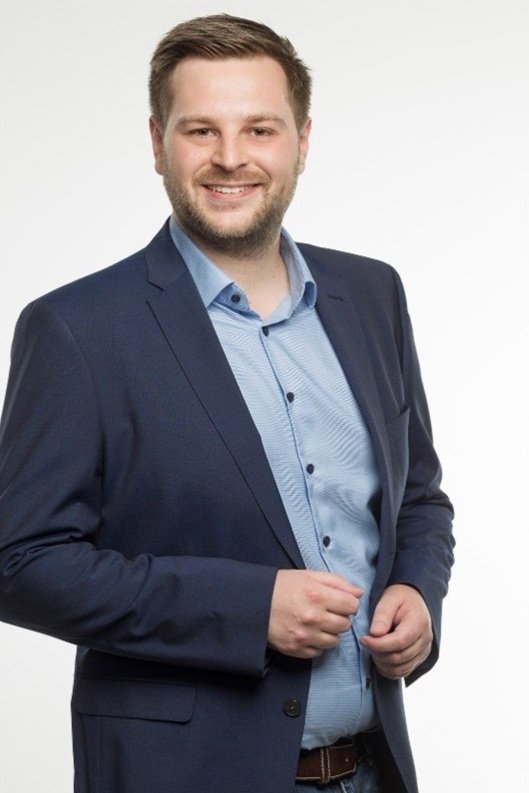
Martin Timo Henrich, MD
Deputy Head of Laboratory
AREAS OF EXPERTISE
Parkinson’s disease, in vivo synucleinopathy models
BIOGRAPHY
Dr. Martin T. Henrich received a medical degree from the Philipps-University Marburg in 2019 in the laboratory of Prof. Dr. Wolfgang Oertel. During that time, he gained first international research experience as a visiting predoctoral fellow at Northwestern University in the laboratory of Prof. Surmeier. After graduation he returned to Northwestern University and continued his work as a postdoctoral fellow. After returning to Germany in 2021, he was appointed deputy head of the Laboratory for Cellular Neuropsychiatry in the Department of Psychiatry and Psychotherapy at the Philipps-University Marburg. Simultaneously, he is a resident physician in the clinic.
His research interest is focused on understanding the pathophysiology of Parkinson’s disease on the cellular and brain circuit level, in particular on establishing and characterizing new in vivo disease models. During his postdoctoral training he specialized on the characterization of the alpha-synuclein overexpression and preformed fibril models.